Blog

Home/Blog

Winter Festivals in the Northern Areas of Pakistan

By |2024-12-27T06:53:46+00:00November 15th, 2024|Categories: Blog|

Winter Festivals in the Northern Areas of Pakistan

Festivals That Bring Winter to Life 

Malam Jabba Winter Festival

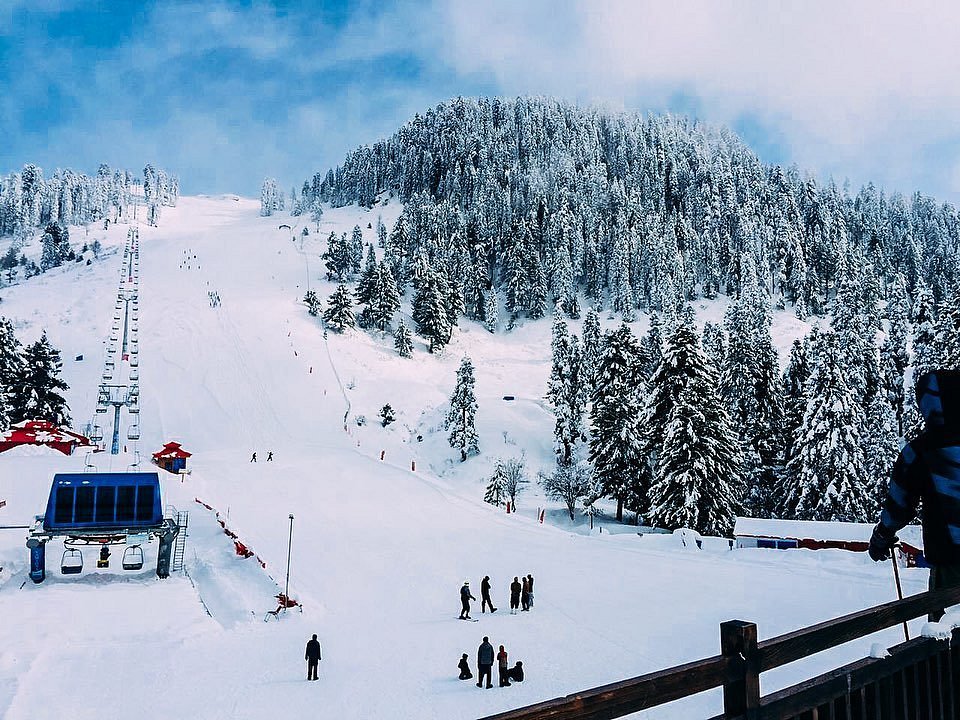
The Malam Jabba Winter Festival is an annual event held at the Malam Jabba resort in the Swat Valley of Pakistan. Malam Jabba is a popular destination for winter sports and due to its scenic landscapes and snowy peaks.

It celebrates the winter season with a mix of cultural activities, outdoor wither sports and entertainment.  This winter festival brings winter to life and attracts local and international visitors who come to enjoy skiing, snowboarding, ice skating and other winter sports on the resort’s ski slopes.

In addition to winter sports, the winter festival showcases local culture through music, dance, and traditional food, making it a unique and vibrant event that highlight the beauty of Swat Valley in winter season.

Ice Hockey in Hunza and Skardu

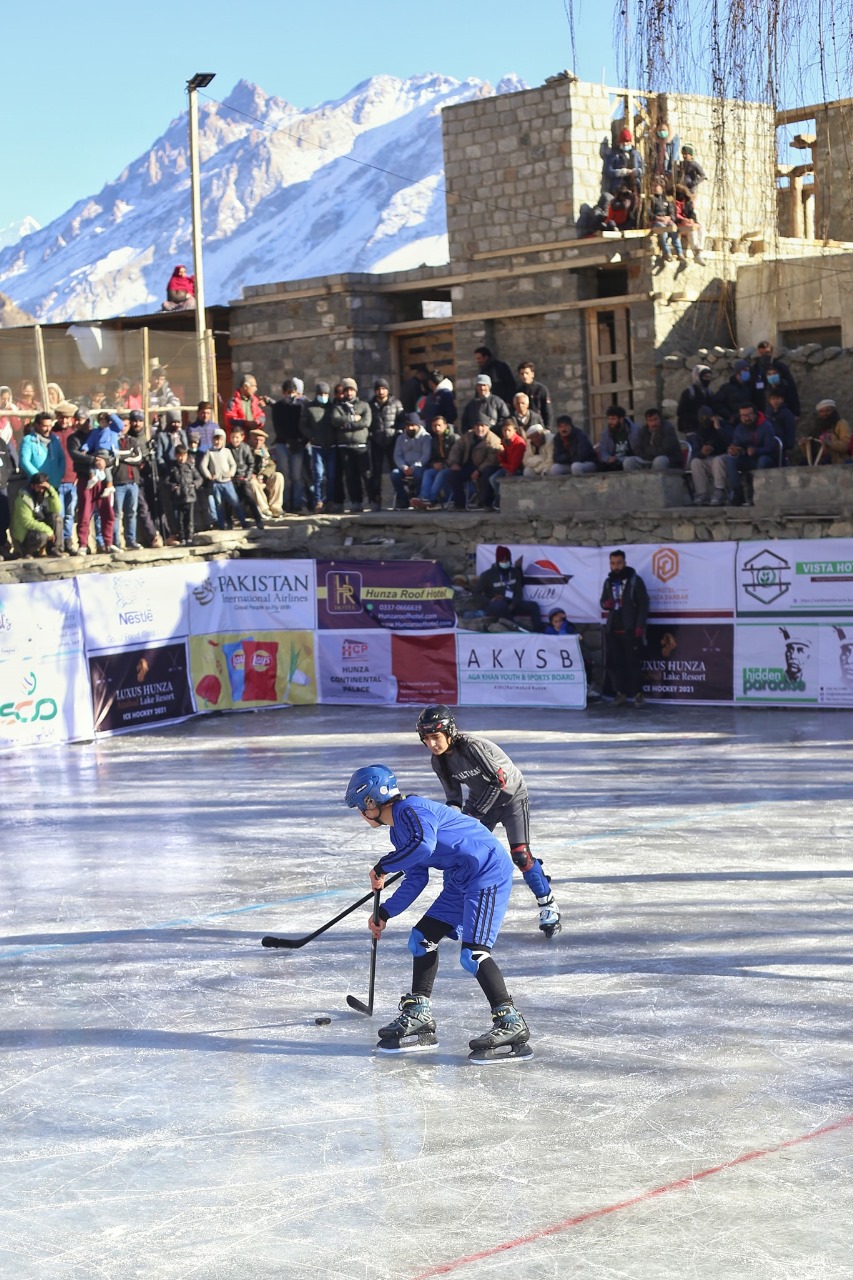
Ice hockey is a popular winter festival in northern areas of Pakistan. Ice hockey is gaining popularity in Hunza and Skardu, Pakistan, as a unique winter activity in the northern areas. The frozen lakes and zero temperatures in these areas provide a natural setting for outdoor ice hockey. The sports has become a symbol of the growing interest in winter sports and adventure tourism in Pakistan. Local youth in Hunza and Skardu have embraced ice hockey as a way to engage with their communities during the winter season.

The government and private organizations are investing in developing facilities, promoting winter festivals and organizing professional-level tournaments. Ice hockey not only promotes winter sports culture but also showcases the region’s natural beauty to a global audience.

Mayfang Festival in Skardu

The Mayfang Winter Festival in Skardu is a traditional winter celebration in Baltistan. Originating from the Balti language, “Mayfang” refers to the ceremonial lighting of bonfires, a central aspect of the event. During the winter festival, communities gather around bonfires to sing, dance, and share meals, creating a warm and festive atmosphere. The bonfires represent hope and light during the harsh winter season.

The Mayfang Winter Festival has become a popular tourist attraction, attracting visitors from Pakistan and around the world. It promotes Baltistan’s cultural identity and boosts winter tourism in the region. The modern celebration includes traditional winter sports competitions, handicraft exhibitions, and food stalls offering Balti cultural specialties.

Naltar Winter Sports Festival

The Naltar Winter Festival is an annual sports event held in the scenic Naltar Valley in northern areas of Pakistan. Naltar Valley is known for its snow-covered mountains and ski slopes.

Naltar Valley has become a popular destination for winter sports enthusiasts. The winter festival features skiing and snowboarding competitions, attracting participants and spectators from Pakistan and around the world.

In addition to winter sports, the winter festival showcases local culture through music, dance, and cultural food specialties. The winter festival promotes winter tourism in Pakistan and encourages youth participation in winter sports.


FAQ’s about Winter Festivals in the Northern Areas of Pakistan? Find Answers Here

The Malam Jabba Winter Festival is an annual event in the Swat Valley, Pakistan. Visitors can enjoy skiing, snowboarding, ice skating, and other winter sports on the resort’s ski slopes, along with cultural music, dance, and traditional food.

Yes, the festival is family-friendly and offers activities for all age groups.

The frozen lakes and cold temperatures provide a perfect natural setting for outdoor ice hockey, making it a unique and adventurous activity in these regions.

Some events and festivals offer beginner-friendly activities. However, the government and private organizations are organizing professional-level tournaments to promote the sport and adventure tourism.

The Mayfang Festival symbolizes hope and light during the harsh winter season. It features bonfires, music, dance, and cultural food specialties.

Yes, the festival is a popular tourist attraction and welcomes visitors from Pakistan and abroad. The festival includes traditional winter sports, handicraft exhibitions, and food stalls offering Balti cultural specialties.

The Naltar Winter Sports Festival is held in Naltar Valley, known for its scenic ski slopes and snow-covered mountains. The festival includes skiing, snowboarding competitions, and other winter sports.

Yes, the festival is designed for both participants and spectators, offering cultural performances and food stalls alongside sports events.

The festival showcases the natural beauty of Naltar Valley while encouraging youth participation in winter sports and attracting international tourists.

Winter festivals promote adventure tourism, preserve cultural heritage, and support local communities by attracting visitors from around the world.

Traditional Food of Gilgit Baltistan

By |2024-12-26T10:06:43+00:00November 14th, 2024|Categories: Blog|

Traditional Food of Gilgit Baltistan

Cultural Food Specialties

Prapu
Prapu is a traditional food of Gilgit Baltistan dish featuring handmade wheat noodles, boiled until tender, then coated in a rich, apricot and walnut paste. The sauce is thickened with ground almonds, adding depth and a smooth texture to the dish.

Mamtu
Mamtu is a famous traditional food of Gilgit Baltistan, a signature dish from northern Gilgit-Baltistan, are steamed dumplings with origins from China. They are filled with a savory mixture of finely chopped meat, onions, chili, garlic and cooked in a multi-tiered steamer for a few hours to achieve tender perfection.

Marzan
Marzan is a special wheat dough delicacy, typically enjoyed on special occasions. The dish is accompanied by a bowl of apricot oil, which is poured over the Marzan to give it a glossy finish. So Marzan is also a traditional food of Gilgit Baltistan which is considerable favorite for most of the people.

Balay
Majority of the people of the regiiont like this traditional food of Gilgit Baltistan. The dish features a robust goat meat soup that infuses every bite with rich flavor. Hearty noodles absorb the savory essence. Tender bits of meat provide a perfect balance of savory goodness and comforting richness., making the dish filling and indulgent.

Butter Tea
This traditional Himalayan drink is made with tea leaves, yak butter, water, and salt, offering a unique taste of the high-altitude landscape. In some regions, cow’s milk butter is used as a substitute. To prepare, boil water, steep tea leaves until dark, add salt and soda for flavor, strain into a butter churn with butter, churn until creamy, and serve hot from copper pots over a stove.

traditional food of Gilgit Baltistan
Butter Tea

FAQ’s about Traditional Food of Gilgit Baltistan? Find Answers Here

Gilgit Baltistan’s traditional food is known for its use of locally sourced ingredients, such as wheat, apricots, walnuts, and goat meat, which reflect the region’s unique high-altitude landscape and cultural heritage.

Prapu is a traditional dish made with handmade wheat noodles, boiled until tender, and coated in a rich paste of apricots, walnuts, and ground almonds. It has a smooth and nutty flavor with a unique texture.

Mamtu are steamed dumplings filled with finely chopped meat, onions, chili, and garlic. They are cooked in a multi-tiered steamer, making them tender and flavorful. The dish has origins in Chinese cuisine, showcasing Gilgit Baltistan’s cultural diversity.

Marzan is a wheat dough delicacy served with apricot oil, which is poured over the dish to add flavor and a glossy finish. It is often prepared during special occasions and is a favorite among locals.

Balay is a hearty dish featuring a goat meat soup with noodles. The savory soup infuses the noodles with rich flavors, while tender pieces of meat add a comforting and indulgent touch.

Butter Tea, a traditional Himalayan drink, is made by boiling water with tea leaves, adding salt and soda for flavor, and churning the mixture with yak or cow butter until creamy. It is typically served hot from copper pots and provides warmth in the cold mountainous climate.

Yes, most of these dishes are widely enjoyed in Gilgit Baltistan and can be found in local homes, traditional eateries, and cultural festivals.

Yes, dishes like Mamtu reflect influences from Chinese and Central Asian cuisines, showcasing the historical trade and cultural exchanges in the region.

While many traditional dishes involve meat, vegetarian options like Prapu, Marzan, and Butter Tea can be enjoyed by those who prefer plant-based diets.

Apricot oil is essential in Gilgit Baltistan due to the abundance of apricots in the region. It adds a unique flavor and nutritional value to many traditional dishes.

Facts about the Autumn Season Everyone Must Know

By |2024-12-26T10:08:57+00:00October 14th, 2024|Categories: Blog|

Facts about the Autumn Season Everyone Must Know

Autumn Season: A Colorful Transition

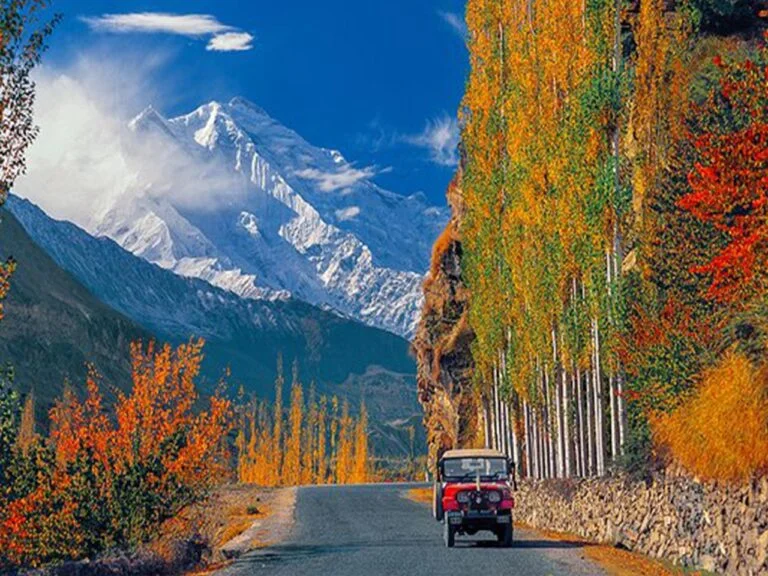
Autumn is one of the major seasons on Earth. It occurs when the weather is changing from Summer to Winter in September/October. The duration of daylight starts to reduce, and the length of nights increases during this season. The color of leaves changes from green to orange, and later they fall from the trees. The daytime weather is pleasant in this season, but the nights are slightly cold.

Autumn is also known as the harvesting season since major crops are ripe, and the fields are ready for harvest. The beautiful destinations of Gilgit Baltistan become truly fascinating for tourists in this season. The beautiful passages alongside the orange trees are truly imaginative.

Facts about the Autumn Season Everyone Must Know

FAQ’s about Autumn Season? Find Answers Here

Autumn is one of the four major seasons on Earth, occurring between summer and winter. It typically begins in September/October in most parts of the world.

During autumn, the duration of daylight reduces, nights become longer, and the weather transitions from warm to cooler temperatures. Leaves change color from green to shades of orange, yellow, and red, eventually falling from the trees.

Autumn is called the harvesting season because many crops ripen during this time, and fields are ready for harvest. It is a time of richness and agricultural activity.

The daytime weather in autumn is generally pleasant, with mild temperatures. However, the nights can be slightly chilly as the season transitions toward winter.

In Gilgit Baltistan, autumn transforms the region into a stunning landscape with vibrant orange and yellow trees. The picturesque scenery, combined with pleasant weather, makes it an ideal season for tourists.

Autumn in Gilgit Baltistan is marked by breathtaking views of tree-lined passages with colorful foliage. The region’s natural beauty becomes even more captivating, attracting photographers and nature lovers.

In many cultures, autumn is associated with harvest festivals, where communities come together to celebrate the season’s bounty. Specific festivals vary by region and tradition.

The length of autumn varies depending on geographic location, but it typically lasts about three months, transitioning into winter around late November or December.

Leaves change color in autumn because the production of chlorophyll, which gives leaves their green color, slows down as days become shorter. This reveals other pigments like carotenoids and anthocyanins, resulting in shades of orange, yellow, and red.

Autumn is a great time for outdoor activities like hiking, photography, leaf-peeping, and visiting harvest festivals. It’s also a season for enjoying warm drinks and cozy evenings.

Top 5 Highest Mountains in the World

By |2024-12-26T10:11:07+00:00October 11th, 2024|Categories: Blog|

Top 5 Highest Mountains in the World

Worlds Highest Mountains

Mount Everest, Nepal

When we discuss about Top 5 Highest Mountains in the World. Mount Everest is the world’s highest mountain standing at an impressive height of 8,848.86 meters (29,031.7 feet) above sea level. It is located on the border between Nepal and the Tibet Autonomous Region of China. The first recorded successful ascent of Mount Everest was achieved in 1953 by Sir Edmund Hillary of New Zealand and Tenzing Norgay, a Sherpa climber from Nepal. Mount Everest holds cultural, ecological, and geopolitical importance beyond its popularity among mountaineers.

Yaks are commonly used to carry gear for climbs, able to haul up to 100 kg (220 pounds) due to their thick fur and large lungs. The region is also home to diverse wildlife, including the Himalayan black bear and the elusive red panda. The mountain is a major tourist attraction boosting the economies of Nepal and Tibet.

K2, Pakistan

K2, also known as Mount Godwin Austen, is the second highest mountain on Earth at 8,611 meters (28,251 feet) above sea level. Located in the Karakoram Range on the Pakistan-China border, K2 is renowned for its challenging climbing conditions, including steep slopes and unpredictable weather. Due to its harsh weather, technical difficulty, and extreme altitude, K2 is considered one of the most dangerous peaks to climb, earning it the nickname Killer Mountain.

The first successful ascent was in 1954 by an Italian expedition led by Ardito Desio, with Achille Compagnoni and Lino Lacedelli reaching the summit. It is a source of pride for Pakistan.

Kangchenjunga, Nepal

Kangchenjunga is the third-highest mountain in the world, reaching 8,586 meters (28,169 feet) in the eastern Himalayas on the Nepal-India border. Its five peaks are known as the “Five Treasures of Snow.” The first successful ascent was in 1955 by a British expedition. Kangchenjunga is a biodiversity hotspot, hosting rare species like the snow leopard and red panda.

Kangchenjunga, a symbol of natural and spiritual heritage, faces threats from climate change, accelerating glacier melting and disrupting local ecosystems. The region is remote and less frequented by trekkers due to its challenging access from India.

Lhotse, China

Lhotse is the fourth highest mountain in the world, reaching 8,516 meters (27,940 feet) above sea level. It is located on the border between China (Tibet Autonomous Region) and Nepal, near Mount Everest. The first successful ascent was in 1956 by a Swiss team. The standard climbing route is similar to Everest up to the Yellow Band, but the icy North East Face remains unclimbed.

Lhotse, like other Himalayan peaks, is threatened by climate change, causing melting glaciers and changing weather patterns that impact the environment and local communities.

Makalu, Nepal

Makalu is the fifth highest mountain globally, standing at 8,485 meters (27,838 feet) above sea level in the Himalayas on the Nepal-China border. Its name means “Great Black” in Sanskrit. The first successful ascent was in 1955 by a French expedition. Surrounding the mountain is the Makalu-Barun National Park, known for its biodiversity and rare species like the red panda and snow leopard. The park’s untouched beauty attracts trekkers, nature enthusiasts and mountaineers.

Makalu, like other Himalayan peaks, is experiencing environmental challenges from climate change and growing human activity.

FAQ’s about Top 5 Highest Mountains in the World? Find Answers Here

The highest mountain in the world is Mount Everest located on the border between Nepal and the Tibet Autonomous Region of China, standing at 8,848.86 meters (29,031.7 feet) above sea level.

K2, the second-highest mountain, is considered one of the most dangerous peaks due to its steep slopes, unpredictable weather, and technical climbing challenges. This has earned it the nickname “Killer Mountain.”

Kangchenjunga, the third-highest mountain, is known for its five peaks, referred to as the “Five Treasures of Snow.” It is also a biodiversity hotspot, home to rare species like the snow leopard and red panda.

Lhotse, the fourth-highest mountain, is located near Mount Everest. The climbing route for Lhotse is similar to Everest up to the Yellow Band, after which the routes diverge.

Makalu, the fifth-highest mountain, is known for its iconic pyramid-shaped peak and its surrounding Makalu-Barun National Park, which is rich in biodiversity and rare wildlife.

The first recorded successful ascent of Mount Everest was in 1953 by Sir Edmund Hillary of New Zealand and Tenzing Norgay, a Sherpa climber from Nepal.

Yaks are commonly used during Mount Everest expeditions to carry gear, as they are well-adapted to the high-altitude environment and can haul up to 100 kg (220 pounds).

K2 was first successfully climbed in 1954 by an Italian expedition led by Ardito Desio, with Achille Compagnoni and Lino Lacedelli reaching the summit.

All five mountains face significant challenges from climate change, including melting glaciers, altered weather patterns, and threats to local ecosystems and communities.

While Mount Everest and Makalu attract a large number of trekkers and climbers, others like Kangchenjunga and K2 are less accessible due to their remote locations and challenging conditions.

Top 5 Most Scenic Roads in the World

By |2024-12-26T10:12:49+00:00October 11th, 2024|Categories: Blog|Tags: |

Top 5 Most Scenic Roads in the World

Breathtaking Most Scenic Roads

Chapman’s Peak Drive, South Africa 

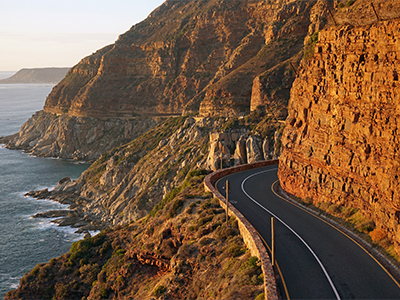
Chapman’s Peak Drive is a scenic coastal road in South Africa, spanning 9 kilometers between Hout Bay and Noordhoek on the Cape Peninsula. Known for its 114 curves, and stunning views of the Atlantic Ocean and rugged cliffs, it is a popular destination for road trips, cycling, and photography. The drive also provides access to hiking trails and picnic spots, making it a must-visit for travelers in the Cape Town region. Built in the early 20th century, Chapman’s Peak Drive is considered one of the world’s most scenic routes. Therefore, it is in the list of Top 5 Most Scenic Roads in the World.

Milford Road, New Zealand
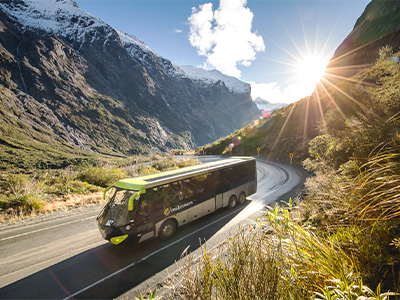
It is a stunning alpine highway that spans 120 kilometers, connecting Te Anau to Milford Sound in Fiordland National Park. It is also declared one of the Top 5 Most Scenic Roads in the World. This scenic drive showcases lush forests, towering mountains, pristine lakes, and dramatic valleys. Highlights include Mirror Lakes, Homer Tunnel, Eglinton Valley, and picturesque waterfalls. The road is part of the Te Wahipounamu UNESCO World Heritage Area, offering access to hiking trails and breathtaking viewpoints.

Karakoram Highway, Pakistan
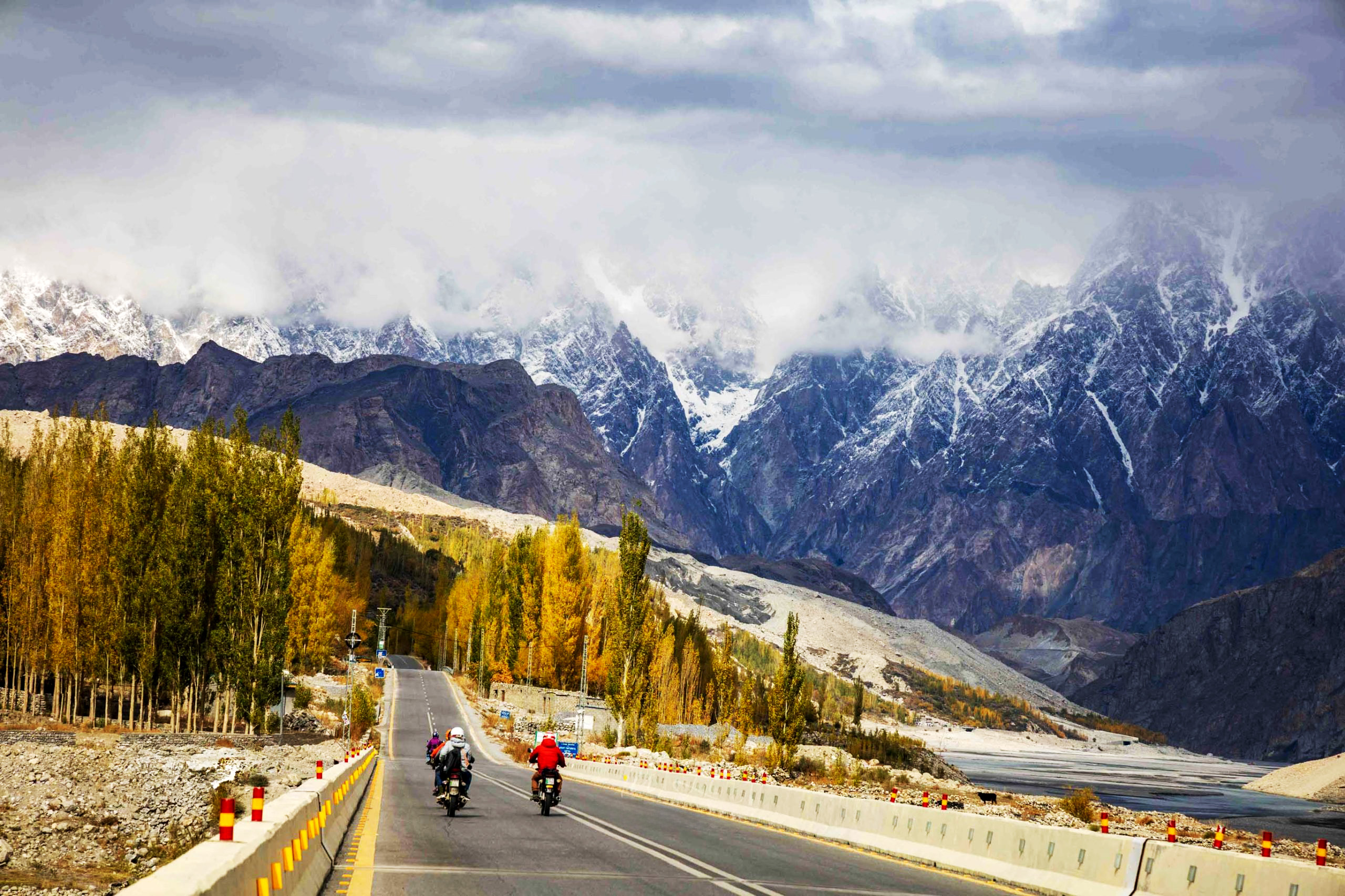
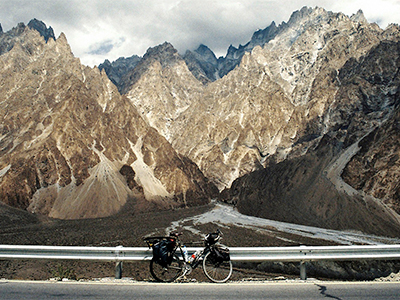
When discussing Top 5 Most Scenic Roads in the World, the Karakoram Highway (KKH) is a renowned high-altitude road connecting Pakistan and China through the Karakoram mountain range. Spanning 1,300 kilometers from Hassan Abdal, Pakistan, to Kashgar, China, it reaches an altitude of 4,693 meters at the Khunjerab Pass. Offering stunning views of Nanga Parbat, Rakaposhi, and other peaks, the highway passes through scenic spots like Hunza Valley and Attabad Lake. Completed in 1978 after two decades of construction, the KKH is a key trade route and a popular destination for adventurers and travelers exploring northern Pakistan.

Karakoram Highway, Pakistan

Ruta 40, Argentina
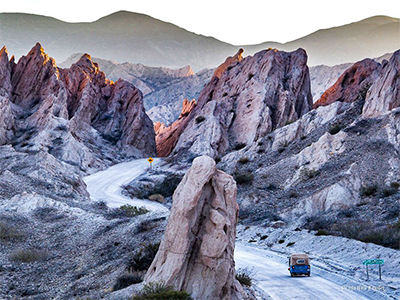
Route 40, also known as Ruta 40, is Argentina’s iconic highway that spans over 5,000 kilometers running parallel to the Andes Mountains. This legendary route showcases diverse landscapes, including deserts, mountains and plateaus. It passes through national parks and providing access to landmarks such as Mount Fitz Roy and the Perito Moreno Glacier. Ruta 40 is a popular choice for adventurous road trips, offering a glimpse into Argentina’s cultural and natural diversity. Travelers can enjoy breathtaking views, visit remote towns, and experience vibrant local traditions along this historic road.

Rout 1, Iceland
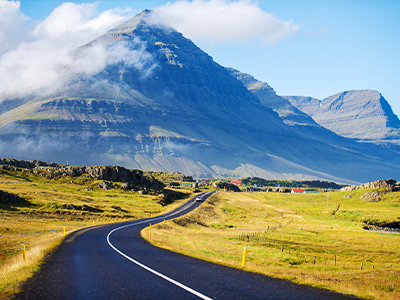
Route 1, also known as the Ring Road, is Iceland’s main highway that encircles the island, covering approximately 1,332 kilometers. This iconic route connects major towns and showcases diverse landscapes, including waterfalls, glaciers and black sand beaches. The road passes through villages and provides access to national parks. Route 1 is popular for road trips, offering a memorable journey through Iceland’s geology, wildlife, and culture. Winter conditions can make some sections challenging, so summer is the preferred season for exploration.

Rout 1, Iceland 2

FAQ’s about Most Scenic Roads in the World? Find Answers Here

A scenic road offers breathtaking views of natural landscapes, such as mountains, oceans, forests, and unique geological formations. These roads often provide access to hiking trails, viewpoints, and cultural landmarks.

Chapman’s Peak Drive is renowned for its 114 curves, stunning coastal views of the Atlantic Ocean, rugged cliffs, and accessibility to hiking trails and picnic spots. It is a must-visit destination for travelers exploring the Cape Town region.

Milford Road is an alpine highway that connects Te Anau to Milford Sound in Fiordland National Park. It features lush forests, towering mountains, pristine lakes, and highlights like Mirror Lakes, Homer Tunnel, and Eglinton Valley.

The Karakoram Highway (KKH) is a high-altitude road that connects Pakistan and China through the Karakoram mountain range. Known for its breathtaking views of peaks like Nanga Parbat and Rakaposhi, it passes through scenic locations like Hunza Valley and Attabad Lake, making it a top destination for adventurers.

Ruta 40, or Route 40, spans over 5,000 kilometers, running parallel to the Andes Mountains. It offers diverse landscapes, from deserts to glaciers, and provides access to iconic landmarks like Mount Fitz Roy and the Perito Moreno Glacier.

The Ring Road, or Route 1, is Iceland’s main highway encircling the island, covering approximately 1,332 kilometers. It connects major towns and showcases diverse landscapes, including waterfalls, glaciers, black sand beaches, and national parks.

Highlights along the Karakoram Highway include the Khunjerab Pass, Hunza Valley, Attabad Lake, and stunning views of some of the world’s highest peaks, such as Nanga Parbat and Rakaposhi.

Each road offers a unique experience. Ruta 40 in Argentina showcases vibrant local traditions and diverse landscapes, while the Karakoram Highway highlights the cultural heritage of Pakistan and China. The Ring Road in Iceland offers a journey through the country’s geology, wildlife, and traditional villages.

Yes, most of these roads are suitable for family trips, offering scenic views and stops at tourist-friendly locations. However, travelers should be mindful of road conditions and accessibility, especially in remote or high-altitude areas.

The best season varies:

  • Chapman’s Peak Drive: Year-round.
  • Milford Road: Summer for clear weather.
  • Karakoram Highway: Spring and summer for safe travel.
  • Ruta 40: Spring or fall for mild weather.
  • Ring Road: Summer for safer and easier driving conditions.

Top 20 Must Visit Cold Destinations in Pakistan

By |2025-01-02T09:53:07+00:00March 1st, 2024|Categories: Blog|Tags: , , |

Top 20 Must Visit Cold Destinations in Pakistan

Pakistan Winter Wonderlands

Explore Pakistan’s winter wonderland with these enchanting destinations. Embrace the snowy landscapes and warm hospitality as you embark on an unforgettable winter adventure. Discover the beauty of the cold in these mesmerizing destinations.

Best Ski Resorts in Pakistan – A Guide to Winter Adventures

By |2025-01-10T05:30:03+00:00January 31st, 2024|Categories: Blog|Tags: , , |

Best Ski Resorts in Pakistan – A Guide to Winter Adventures

Find the best ski resorts in Pakistan. Book your winter vacation and enjoy skiing, snowboarding, and other winter activities in Malam Jabba, Naltar Valley, and more. Discover breathtaking mountain views and unforgettable experiences

Ready for a thrilling winter adventure? Explore Pakistan’s top-rated ski resorts. Book your trip today and experience the magic of skiing in the mountains

Malam Jabba

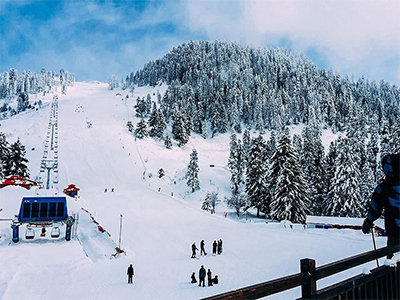
Malam Jabba in the Swat Valley is Pakistan’s top winter destination, renowned as the largest ski resort in the country. It is famous for its extensive ski slopes and range of activities. Malam Jabba offers a blend of adventure and natural beauty. Operated by PTDC and serves as a key hub for promoting tourism in the region, the resort offers skiing, chairlifts, ice skating and trekking trails surrounded by lush forests and towering peaks. Popular with tourists worldwide, each winter, it draws skiers and snow enthusiasts from across the globe. Malam Jabba blends modern amenities with the cultural richness of the Swat Valley, making it a must-visit for nature lovers and adventure enthusiasts.

Best Ski Resorts in Pakistan

Naltar Valley

Naltar Ski Resort in Gilgit Baltistan is Pakistan’s highest and oldest ski destination, known for its rich history of winter sports. Situated at an altitude of 3,000 meters, it is a key training and competition site for the Ski Federation of Pakistan, hosting the prestigious Pakistan National Ski Championship. The resort offers stunning views of snow-capped peaks, pine forests, and valleys, making it a popular spot for skiing enthusiasts of all levels. With modern amenities like chairlifts and ski equipment rentals, Naltar Ski Resort is a top choice for adventure seekers looking to experience the beauty of the Gilgit region.

FAQs about Famous Ski Resorts in Pakistan? Find Answers Here

The top ski resorts in Pakistan include Malam Jabba in the Swat Valley and Naltar Ski Resort in Gilgit Baltistan, both offering exceptional experiences for snow and adventure enthusiasts.

Malam Jabba is located in the Swat Valley and is renowned as Pakistan’s largest ski resort. It is famous for its extensive ski slopes, modern amenities, and additional activities such as chairlifts, ice skating, and trekking.

Visitors to Malam Jabba can enjoy skiing, ice skating, chairlift rides, trekking, and exploring the lush forests and scenic mountain views surrounding the resort.

Naltar Ski Resort is located in Gilgit Baltistan at an altitude of 3,000 meters. It is Pakistan’s highest and oldest ski destination and serves as a key training and competition site for the Ski Federation of Pakistan.

Naltar Ski Resort hosts the Pakistan National Ski Championship and other competitive winter sports events, making it a hub for professional skiing and snowboarding in the country.

Yes, both Malam Jabba and Naltar Ski Resort cater to skiers of all levels, including beginners. They offer ski equipment rentals and professional guidance to help newcomers enjoy their experience.

Malam Jabba provides modern amenities such as ski equipment rentals, chairlifts, guided tours, and accommodations. The resort also offers a blend of adventure activities and cultural experiences.

Naltar Ski Resort offers breathtaking views of snow-capped peaks, dense pine forests, and pristine valleys, providing a perfect backdrop for skiing and photography.

The best time to visit is during the winter months, typically from December to March, when the snow is ideal for skiing and other winter sports.

Yes, both Malam Jabba and Naltar Ski Resort are family-friendly destinations, offering activities suitable for all ages, such as sledding, chairlift rides, and guided excursions.

Yes, both resorts offer accommodations, ranging from luxury resorts to budget-friendly lodges, ensuring a comfortable stay for travelers.

Skiing in Pakistan offers a unique combination of stunning natural beauty, rich cultural experiences, and fewer crowds, making it an unforgettable destination for snow enthusiasts.

Top 10 Highest Mountains in Pakistan

By |2025-01-03T17:33:56+00:00December 13th, 2023|Categories: Blog|

Top 10 Highest Mountains in Pakistan

Pakistan’s Highest Mountains

K2

K2, also known as Mount Godwin Austen, is the second highest mountain on Earth, located in the Karakoram Range near the border of Pakistan and China. It is a source of pride for Pakistan.

K2 is renowned for its challenging climbing conditions, including steep slopes and unpredictable weather. Due to its harsh weather, technical difficulty, and extreme altitude, K2 is considered one of the most dangerous peaks to climb, earning it the nickname Killer Mountain.

Nanga Parbat

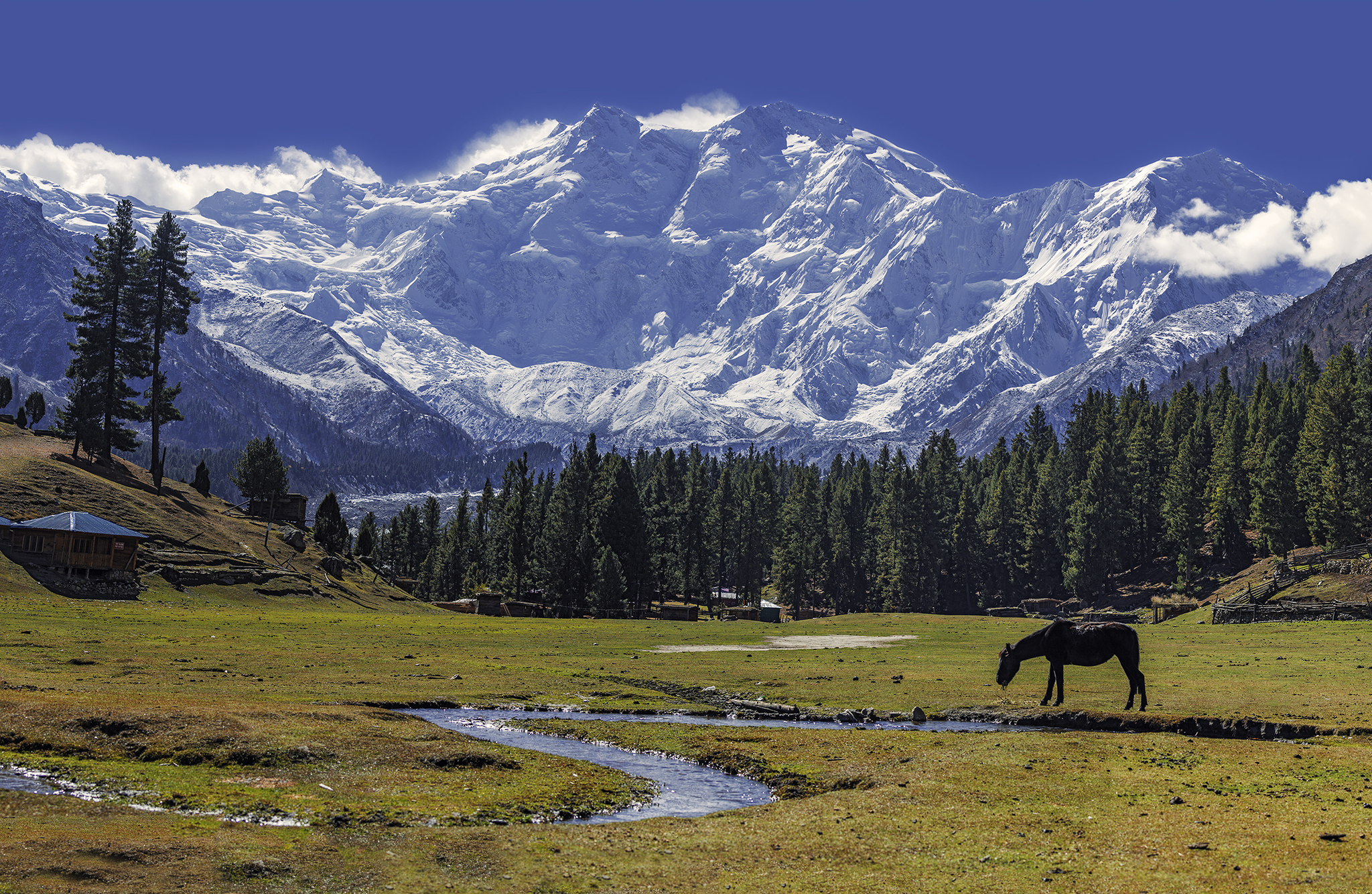
Nanga Parbat, known as the “Killer Mountain,” is the ninth-highest peak globally. It’s challenging terrain and high fatality rate make it a formidable climb. Nanga Parbat’s stunning beauty features snow-covered peaks, glaciers, and deep valleys.

Despite its dangers, Nanga Parbat attracts mountaineers worldwide and holds a significant place in Pakistani culture for its majestic presence in the landscape.

Gasherbrum I / Hidden Peak

Gasherbrum I, also known as Hidden Peak, is the 11th-highest mountain globally. It is located in the Karakoram Range on the Pakistan-China border and part of the Gasherbrum massif.

The mountain earned its nickname due to being partially hidden by nearby peaks, despite its impressive height. Its steep, icy slopes and harsh Karakoram conditions make it a dangerous climb.

Broad Peak / Falchan Kangri

Broad Peak, also known as Falchan Kangri, is the 12th-highest mountain in the world. Located in the Karakoram Range on the Pakistan-China border near K2, its wide summit spans over 1.5 kilometers.

First climbed in 1957, Broad Peak is popular among climbers for its accessibility among 8,000-meter peaks. It offers challenging climbs due to high altitude, icy conditions, and severe weather.

Gasherbrum II 

Gasherbrum II is the 13th-highest mountain in the world. It is located in the Karakoram Range on the Pakistan-China border. Known for its beauty and relatively straightforward climbing route.

Surrounded by glaciers and peaks like Gasherbrum I and Broad Peak, it offers a thrilling yet demanding experience for mountaineers in the stunning Karakoram Range.

Gasherbrum III

Gasherbrum III is the 15th-highest peak in the world. It is part of the Gasherbrum massif in the Karakoram Range, across the Pakistan-China border. Gasherbrum III offer stunning views of the Karakoram’s rocky landscape.

It is less popular than its neighbors due to its overshadowed status and remote location, making it an attractive destination for climbers seeking solitude and a unique high-altitude adventure.

Gasherbrum IV

Gasherbrum IV is the 17th-highest mountain in the world. Known as the “Shining Wall” for its steep western face, it is considered one of the most beautiful and challenging peaks in mountaineering.

Despite its formidable reputation, it attracts elite climbers for its dramatic aesthetics and legendary status in high-altitude climbing.

Distaghil Sar Main

Distaghil Sar Main ranks as the 19th-highest mountain globally, known for its massive 3-kilometer summit. Distaghil Sar remains less visited due to its remote location and challenging routes.

Surrounded by glaciers and rocky terrain, it offers stunning views of the Karakoram and attracts mountaineers seeking lesser-known peaks.

Kunyang Chhish Main

Kunyang Chhish Main, is a tough peak. It is the second-highest in the Hispar Muztagh subrange and ranks 21st globally. Known for its extreme climbing difficulty. The mountain’s harsh weather, terrain, and technical complexity make it a challenging climb.

Despite its beauty and remoteness, Kunyang Chhish receives less attention compared to other peaks in the region.

Masherbrum NE / K1

Masherbrum NE, also known as K1, is a prominent peak in the Karakoram range. It was the first peak in the Karakoram to be surveyed and mapped during the Great Trigonometric Survey of India in the mid-19th century.

The mountain’s name, “Masherbrum,” is believed to mean “queen” or “beautiful” in Balti, reflecting its majestic presence in the region.

FAQ’s about Top 10 Highest Mountains in Pakistan

The highest mountain in Pakistan is K2, which is also the second-highest mountain in the world, standing at 8,611 meters (28,251 feet).

K2 is referred to as the “Killer Mountain” due to its challenging climbing conditions, extreme weather, and high fatality rate among climbers.

Nanga Parbat, the ninth-highest mountain in the world, is renowned for its stunning beauty, featuring snow-covered peaks, glaciers, and deep valleys. It is also known for its difficult terrain, which has earned it the nickname “Killer Mountain.”

Gasherbrum I is nicknamed the “Hidden Peak” because it is partially obscured by nearby peaks in the Karakoram Range, despite being the 11th-highest mountain in the world.

Gasherbrum II is known for its stunning beauty and comparatively straightforward climbing route, making it a popular destination for mountaineers in the Karakoram Range.

Gasherbrum IV, the 17th-highest mountain in the world, is known as the “Shining Wall” for its steep and dramatic western face. It is considered one of the most beautiful and challenging peaks in the world.

Distaghil Sar Main, the 19th-highest mountain globally, is known for its massive 3-kilometer summit and remote location, offering stunning views and a less-traveled adventure.

Kunyang Chhish is known for its harsh weather, rugged terrain, and technical climbing difficulty, making it one of the most challenging peaks in Pakistan.

Masherbrum, also known as K1, was the first peak in the Karakoram Range to be surveyed and mapped during the Great Trigonometric Survey of India. Its name, “Masherbrum,” means “queen” or “beautiful” in the Balti language.

The ideal climbing season is typically between June and August, when the weather conditions are relatively stable.

These peaks are a major attraction for mountaineers, trekkers, and adventure seekers worldwide, contributing significantly to Pakistan’s tourism industry and showcasing the country’s natural beauty.

Climate change, glacier melting, and environmental degradation pose significant threats to these mountains, impacting both their ecosystems and climbing conditions.

Most Desirable Places to Visit This Winter in Pakistan

By |2025-01-02T05:53:28+00:00December 13th, 2023|Categories: Blog|

Most Desirable Places to Visit This Winter in Pakistan

Discover Pakistan’s Winter Gems

Pakistan experiences all four seasons, offering tourists a variety of experiences throughout the year. As it is the beginning of winter, it is the perfect time to explore, the snow-covered landscapes of Pakistan. To promote winter tourism, various winter sports and cultural festivals are being organized.

Nathia Gali

Nathia Gali is a popular hill station and winter destination known for its stunning scenery, green meadows, and hiking trails. Located in the Galiyat region of Pakistan, it is surrounded by pine forests and offers a peaceful retreat for nature lovers. The area is charming in every season but especially beautiful in winter when snow covers the landscape, attracting visitors from all over.
In winter, Nathia Gali becomes a paradise for snow lovers, with activities like snowball fights, sledding, and walks in the snow. The town also offers cozy accommodations and delicious local food at hotels. Visitors can explore nearby attractions like Mukshpuri and Miranjani peaks for challenging hikes.

Most Desirable Places to Visit This Winter in Pakistan

Malam Jabba, a stunning hill station in the heart of Swat Valley, is located around 50 kilometers from Swat city. It is renowned for its natural beauty and peaceful environment, attracting tourists looking for a mountain retreat. The area is famous for its green meadows in summer and snowy landscapes in winter, making it a popular destination throughout the year.
Malam Jabba offers a mix of cultural heritage and natural beauty, providing visitors with a glimpse of Swat Valley‘s vibrant tradition. A major attraction in Malam Jabba is the Ski Resort, featuring an 800-meter ski slope that appeals to skiing enthusiasts. The resort also boasts chairlifts that provide a stunning view of the snow-covered valley, especially during the winter season when the entire are a transform into a magical winter wonderland.

malam-jabba

Kalam Valley is a charming destination to visit in December especially for nature lovers and thrill seekers. Situated in the upper reaches of Swat Valley in Khyber Pakhtunkhwa, Pakistan, this peaceful valley offers a magical winter experience. The journey from Swat city takes around three and a half hours by car, passing through scenic landscapes. Upon arrival, you will be greeted by frozen lakes, snowy forests, and majestic mountains.
Kalam Valley provides excellent hospitality with various accommodations and local cuisine. Adventure enthusiasts can enjoy snow trekking, photography, and exploring nearby attractions. Kalam Valley is a perfect winter retreat with its stunning scenery, vibrant culture, and warm hospitality, creating lasting memories of this snowy paradise.

Chitral is known for its stunning natural beauty, vibrant culture, and historical significance. Located among the Hindu Kush mountain range, this charming destination attracts tourists year-round, with winter being a particularly enchanting time due to the snow-covered landscapes. The Lowari Tunnel has improved access, but heavy snowfall can still make travel challenging.
Visitors to Chitral can look forward to experiencing the unique and traditional local food available at various hotels in the town. From traditional Chitrali dishes like Kabuli pulao and Mastuj trout to delicious teas and fresh bread, the food reflects the area’s cultural heritage. In addition to culinary delights, tourists often engage with the region’s traditions, crafts, and lively music and dance at local festivals.

Chitral 1

Winter in Skardu transforms the region into a magical wonderland with snow-covered landscapes that offer stunning views. Located in the Gilgit-Baltistan region of Pakistan, Skardu is surrounded by majestic peaks like K2 and scenic lakes such as Shangrila and Satpara, enhancing its beauty. The valley becomes serene and charming in winter, attracting travelers seeking comfort in nature’s beauty. Skardu is a paradise for winter sports enthusiasts, offering skiing, snowboarding, and ice climbing opportunities.
The ski resorts in Skardu are gaining popularity among global adventurers due to their excellent conditions and breathtaking scenery. Additionally, Skardu hosts lively ice festivals during the winter, featuring ice sculptures, skating competitions, and traditional performances that showcase the region’s cultural richness and provide unforgettable experiences for visitors.

Skardu

Ayun Valley is known for its stunning natural beauty, attracting visitors from all over. The valley is surrounded by lush green hills, wildflowers, clear streams, and endless trees, creating a scenic landscape. In winter, Ayun Valley transforms into a magical snowy wonderland. This serene setting fascinates travelers and photographers alike.
Ayun Valley is an ideal escape from city life, offering a peaceful retreat in nature. Visitors can enjoy the calming sounds of nature, such as rustling leaves, bird songs, and flowing water. Whether you want to hike, admire the changing seasons, or simply relax in the peaceful environment, the valley provides numerous opportunities to reconnect with nature.

Ayun Valley

Kalash Valley in the Chitral region of northern Pakistan is a historical and scenic destination known for its captivating natural beauty and unique cultural heritage. The valley is home to the Kalash people, an indigenous community with vibrant traditions and colorful attire. Visitors from around the world come to experience the valley’s lush green meadows, crystal-clear streams, and rugged mountains.

In winter, the valley transforms into a snowy wonderland, while in summer, it comes alive with greenery under clear blue skies. Tourists enjoy hiking trails, mild weather, and immersing themselves in the local culture. Kalash Valley is renowned for preserving centuries-old traditions, making it a top destination for nature lovers and cultural enthusiasts alike.

Kalash Valley

Khaplu, a hidden gem in Gilgit-Baltistan, Pakistan, is known as the “Valley of Serenity” for its stunning natural beauty and cultural heritage. Surrounded by snow-capped peaks, lush meadows, and traditional houses, the town offers a peaceful environment that captivates visitors. Its antique forts and mosques reflect a rich history of diverse cultural influences.

In winter, Khaplu transforms into a magical winter wonderland with snow-covered landscapes and serene valleys. The quiet beauty of the snowy peaks and the peaceful atmosphere make it an ideal retreat for those seeking relief from city life. Khaplu is not just a destination but an unforgettable experience that leaves visitors delighted and eager to return.

Khaplu Resort

FAQ’s about Most Desirable Places to Visit in Winter? Find Answers Here

Winter transforms many regions of Pakistan into snow-covered wonderlands, offering breathtaking landscapes, winter sports, and cultural festivals that attract tourists globally.

Nathia Gali, located in the Galiat region, is renowned for its heavy snowfall, scenic views, and hiking trails, making it a favorite among snow lovers.

Malam Jabba offers skiing, chairlift rides, and stunning views of the snow-covered Swat Valley. It also has an 800-meter-long ski slope for adventure enthusiasts.

Kalam Valley is famous for its frozen lakes, snowy forests, and majestic snow-covered mountains, providing an idyllic winter escape with local cuisine and hospitality.

Chitral is accessible year-round thanks to the Lowari Tunnel, but heavy snowfall may occasionally make access challenging in winter.

Skardu offers winter sports such as skiing, along with breathtaking views of snow-covered mountains and lakes. It also hosts ice festivals, attracting tourists globally.

Ayun Valley’s serene natural beauty and snow-covered hills provide an ideal spot for relaxation and a peaceful winter retreat.

Kalash Valley transforms into a snowy wonderland while preserving its rich cultural traditions, stunning scenery, and adventurous opportunities.

Khaplu, surrounded by snow-capped peaks in Gilgit-Baltistan, turns into a snowy paradise during winter, offering stunning views and a serene environment.

Skardu is a top choice for winter sports enthusiasts, offering skiing and hosting winter festivals amid its scenic landscapes.

Yes, all these destinations, including Nathia Gali, Malam Jabba, Kalam Valley, and Skardu, have various hotels offering local cuisine and comfortable stays.

Tourists should check weather updates, carry appropriate winter gear, and plan their trips with local guidance to ensure safe travel, especially in areas prone to heavy snowfall.

Kalash Valley is the perfect choice for cultural exploration, as it showcases a rich heritage, unique traditions, and vibrant festivals even in winter.

Several destinations, such as Skardu, host winter ice festivals, while other regions celebrate local cultural and winter sports events to promote tourism.

Yes, most of these destinations, like Kalash Valley, Skardu, and Ayun Valley, are equally stunning and accessible in summer, offering a different yet equally rewarding experience.

ESSENTIAL MEASURES FOR SAFE WINTER TRIPS

By |2025-03-11T07:39:33+00:00November 1st, 2023|Categories: Blog|

Essential Measures For Safe Winter Trips

Guidelines For Safe Winter Travel 

You may take the following measures for safe winter trips and guidelines to enjoy the winter season properly.

  • Ensure your vehicle is in good condition and check the brakes for slippery roads
  • Check heating systems, service the radiator and maintain antifreeze level
  • Be prepared for visibility issues in winter season
  • Stay hydrated to prevent your skin from becoming dry
  • Check the weather forecast before and during your trip to avoid snowstorms
  • Be prepared for potential flight delays or cancellations if travelling by air
  • Pack extra clothes, a first aid kit, emergency items and food supplies
  • Stay in vehicle if you are struck somewhere and keep informed of your location and destination
  • Book accommodations in advance to ensure a smooth journey
  • Maintain your gadgets and carry portable chargers and extra batteries

Note: Avoid unnecessary travel in unfavorable weather conditions or during severe weather alerts.
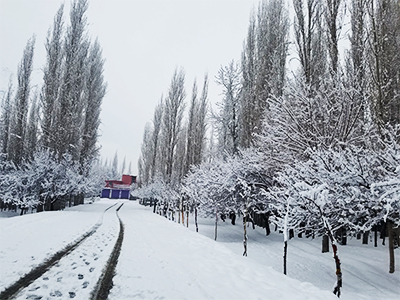
Following these measures for safe winter trip can help you have a secure and enjoyable experience.

FAQ’s about Essential Measures for Safe Winter Trips? Find Answers Here

It is crucial to ensure your vehicle in top condition for winter travel due to heavy snowfall and slippery roads, which can affect starting and braking performance. A thorough check ensures safety and reliability on the road.

Inspect the heating system, radiator, antifreeze levels, brakes, tires, battery, wipers, and washer fluid to maintain visibility and safety during winter travel.

Keep your windshield clean, ensure wipers are working well, carry a scraper for snow and ice removal, and check your headlights and fog lights for optimal visibility.

Staying hydrated is essential in cold weather to prevent dry skin and maintain overall health and comfort during winter travel.

Stay informed of weather forecasts, avoid traveling in severe conditions, and carry emergency supplies like extra clothes, blankets, and a first aid kit for safety.

Stay inside the vehicle for warmth, use hazard lights or a brightly colored cloth for visibility, and wait for assistance when stuck in snow.

Pack extra clothes, emergency items like a flashlight and first aid kit, non-perishable food, and snacks to stay prepared for any situation during winter travel.

Monitor flight schedules, stay updated on weather-related information, and book accommodations near the airport in advance to minimize disruptions due to winter weather.

Book accommodations early, ensure they are well-heated, and suitable for winter conditions to have a comfortable stay during winter travel.

Pack high-energy, non-perishable snacks like nuts, protein bars, dried fruits, and instant meals to sustain yourself during emergencies or delays.
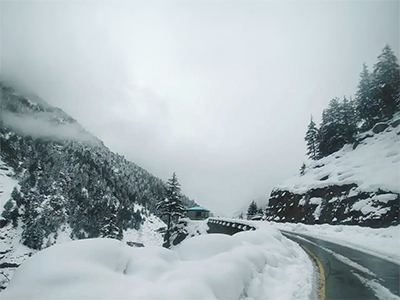
Cold weather can drain battery life quickly, so keep your gadgets charged and carry portable chargers or extra batteries for communication and navigation purposes during winter travel.
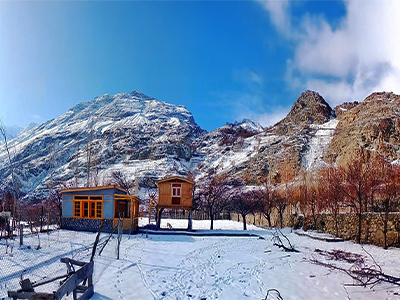
It’s advisable to avoid unnecessary travel during severe weather conditions or when alerts are issued by national advisory teams to prioritize safety.

Go to Top